
UNESCO estimates that global education systems continue to expand their use of digital learning technologies, especially during conferences, academic fairs, and institutional events where visual communication plays a central role in knowledge sharing. Schools, universities, and training organizations increasingly combine physical presentation materials with digital tools to improve engagement and information retention.
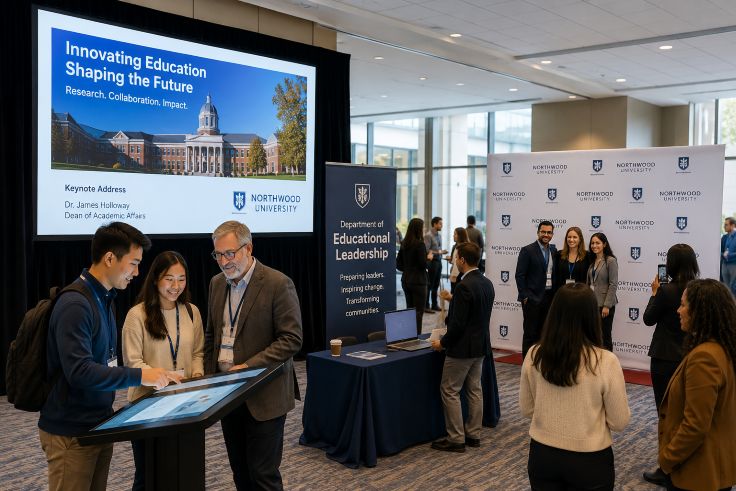
Educational gatherings today often involve a mix of projection systems, interactive displays, branded environments, and printed visual materials that help participants navigate crowded event spaces. Institutions planning conferences and networking functions frequently rely on resources such as step and repeat NYC services to create recognizable event backdrops for media areas, speaker photos, and sponsor visibility during academic and professional learning events.
The Expansion of Technology-Enhanced Educational Events
Research from EdTech Magazine and Educause shows that conferences focused on education, training, and professional development have increasingly adopted hybrid communication methods. Organizers now combine traditional printed materials with digital presentations to accommodate different learning preferences and event objectives.
Large educational conferences often include keynote presentations, workshops, networking spaces, and exhibitor areas that require multiple forms of communication. Digital screens can display schedules and live updates instantly, while printed signage provides reliable wayfinding that does not depend on internet access or electricity.
Academic institutions also face growing expectations from attendees who are accustomed to interactive digital experiences. Students and educators frequently expect presentations to include multimedia components such as videos, animations, and live polling systems. At the same time, many organizers continue to value traditional visual materials because they are familiar, accessible, and cost-effective in certain settings.
Comparing Digital Displays and Projection Systems
Digital displays have become common at conferences because they offer flexibility and real-time adaptability. LED walls, touchscreen kiosks, and large presentation monitors allow organizers to update information instantly without reprinting materials. This can be particularly useful during multi-day educational events where schedules or room assignments may change.
Projection systems remain widely used because they support large audiences efficiently. Universities and conference centers often rely on projectors for keynote lectures, panel discussions, and classroom-style presentations. Research published by Harvard Business Review suggests that visual aids can improve audience attention when paired with concise verbal explanations and organized content structures.
Digital presentation systems also support accessibility features. Closed captioning software, screen magnification, and multilingual display options can improve participation for attendees with diverse learning needs. Hybrid conferences further benefit from digital tools because online participants can view presentation slides simultaneously with in-person audiences.
Despite these advantages, digital systems present challenges. Equipment malfunctions, software compatibility problems, and unstable internet connections can disrupt presentations. Organizers may also face higher setup costs when using advanced LED walls or interactive technologies.
Another limitation involves audience fatigue. Experts from The National Center for Biotechnology Information have noted that excessive screen exposure may contribute to reduced concentration during long sessions. As a result, some conference planners intentionally balance digital content with physical displays and printed materials to maintain attendee engagement.
The Continuing Role of Printed Backdrops and Traditional Visual Materials
Printed presentation materials continue to serve practical functions at school events and conferences. Posters, banners, informational boards, and branded backdrops remain common because they are easy to install and highly visible in crowded environments.
Step and repeat backdrops are especially popular during networking receptions, awards ceremonies, and speaker photo opportunities. These printed displays help institutions reinforce event identity while creating consistent visual environments for photography and media coverage. Universities and educational organizations often use them to display school branding, conference themes, or sponsor recognition.
Traditional visual materials also offer reliability that digital systems cannot always guarantee. Printed signs remain visible during technical interruptions and do not require electrical power. For smaller schools or organizations with limited budgets, banners and posters may represent a more affordable solution than large-scale digital installations.
Research from The University of Minnesota indicates that physical visual references can improve memory retention in some learning environments. Printed infographics and static displays allow attendees to absorb information at their own pace without the distractions sometimes associated with animated presentations.
However, printed materials have limitations as well. Updates require reprinting, which increases production costs and material waste. Large printed displays may also require transportation, storage space, and additional labor during setup and breakdown.
Branded Environments and Academic Networking
Educational conferences increasingly emphasize branding and visual identity because networking has become a major component of professional learning events. Organizers aim to create environments that support collaboration while maintaining a clear institutional image.
Branded spaces help attendees identify sponsors, departments, research groups, and partner institutions quickly. Conference organizers often integrate digital displays with physical branding elements to maintain consistency across presentation spaces.
For example, a university research symposium may use projection screens for presentations while placing printed backdrops near networking lounges or media stations. This combination allows organizers to balance flexibility with visual consistency.
Experts from Event Manager Blog note that attendees often associate well-organized visual environments with professionalism and credibility. Clear signage, cohesive branding, and effective presentation tools can improve the overall event experience while supporting educational goals.
Photography also plays a larger role in academic events than it did in previous decades. Conferences frequently share images on institutional websites and social media platforms, making visually recognizable environments increasingly important for documentation and outreach.
Choosing the Right Presentation Format
Selecting between traditional and digital presentation methods depends on several factors, including audience size, venue capabilities, budget, and learning objectives.
Digital tools may work best for:
- Large keynote presentations
- Interactive workshops
- Hybrid or livestreamed events
- Sessions requiring multimedia demonstrations
- Real-time schedule updates
Traditional printed materials may be more appropriate for:
- Directional signage
- Poster research sessions
- Networking spaces
- Photo backdrops
- Budget-conscious events
Many institutions now prefer blended approaches that combine the strengths of both systems. A conference may use digital displays for presentations while relying on printed branding materials for navigation and networking areas.
Sustainability considerations also influence decision-making. Some organizations favor reusable digital systems to reduce paper waste, while others point out that electronic displays require energy consumption and periodic hardware replacement. Event planners increasingly evaluate environmental impact alongside communication effectiveness when selecting presentation formats.
READ ALSO: Artificial Intelligence in Education | Transforming Learning and Research in the Digital Age
Conclusion
Educational conferences and school events continue to evolve as institutions adopt new methods for visual communication and audience engagement. Digital displays, projection systems, and interactive technologies provide flexibility and accessibility that support modern learning environments. At the same time, printed materials and branded backdrops remain valuable because of their reliability, visibility, and practical role in networking spaces.
Rather than replacing traditional methods entirely, digital tools have become part of a broader communication ecosystem that blends physical and technological elements. Schools, universities, and conference organizers increasingly recognize that effective presentation strategies depend on context, audience needs, and event goals. By combining digital innovation with dependable traditional materials, educational institutions can create environments that support learning, collaboration, and professional connection more effectively.